













Please scroll
You are
THE
TASTE
Bringing the land
to your mouth
OF
WIND
GOOD
LIVING
Sensory
Laboratory
THE
TASTE
OF
WIND
Bringing the land
to your mouth
GOOD
LIVING
Thus, food becomes the most beautiful passport: a page that can be chewed, licked, and shared. It tells guests where they come from—since every childhood memory is awakened by the first familiar spice—and at the same time reveals the country they are visiting. A round trip without stamps or queues: just the warm truth of a piece of bread coming out of the oven, which says more than any speech could ever say: welcome, enter, you’re home now.
noun meaning
YOUR TIME WILL BE OUR TIME.
Whatever time you arrive, your room will be waiting for you, as will our team, ready to welcome you.
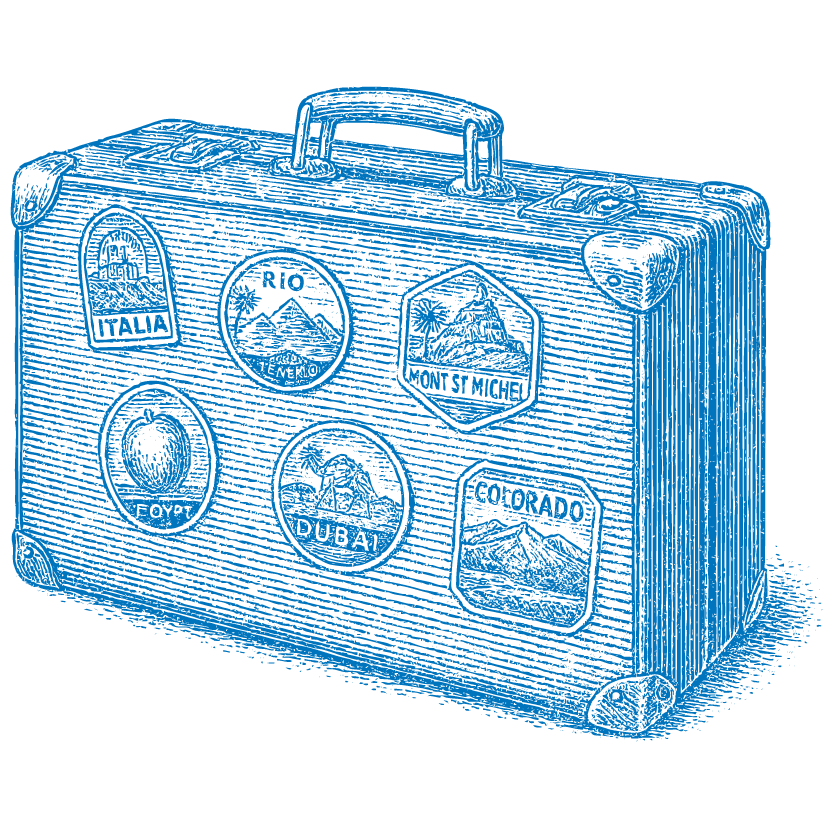
noun meaning
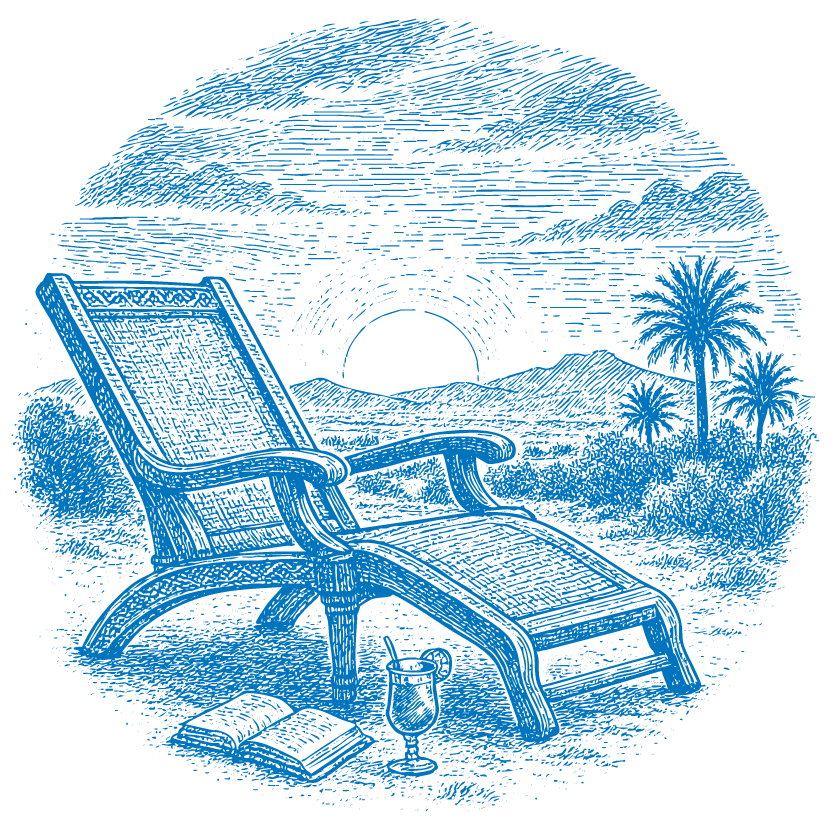
STAY AS LONG AS YOU WANT
At Dar Ahlam, you can keep your room until your scheduled departure time, whatever time that may be!
noun meaning
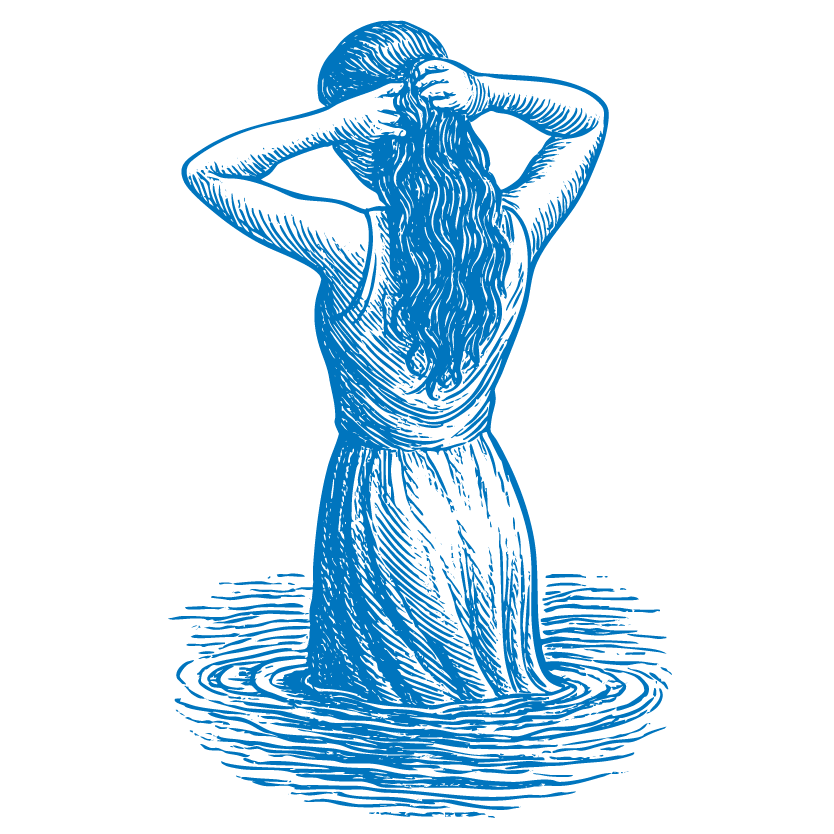
WE DON'T BOTHER ANYONE.
At Dar Ahlam, every activity and moment of life is enjoyed in complete exclusivity, allowing you to appreciate every moment spent together.
noun meaning
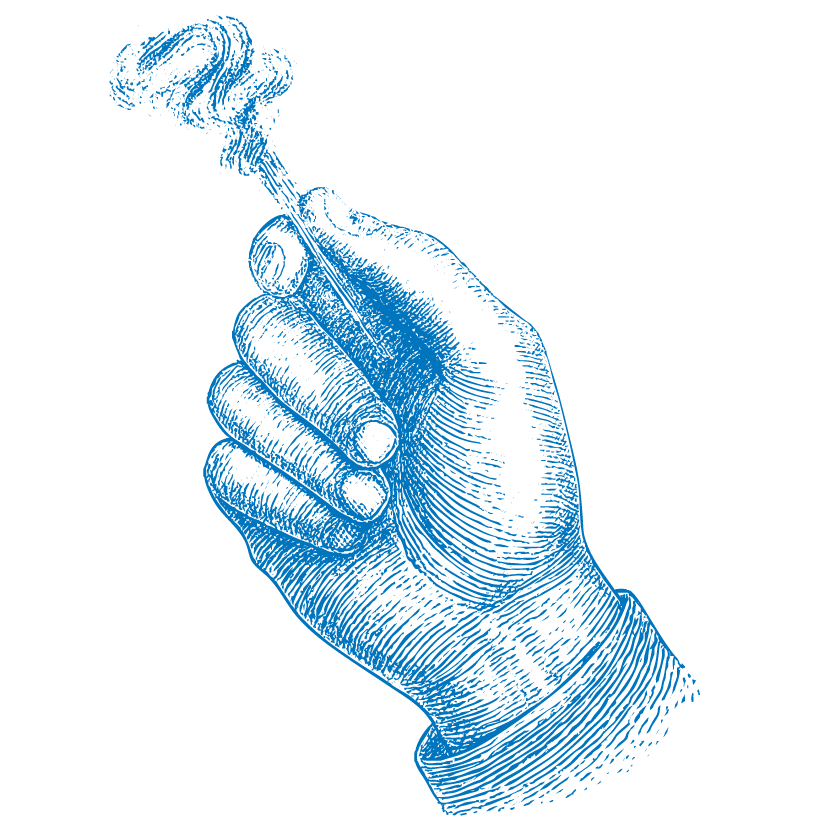
NOTHING!
At Dar Ahlam, there are no keys on the doors of the rooms or anywhere else.
noun meaning
WE KNOW YOU ARE LOST.
At Dar Ahlam, the absence of signs is intentional, to help you lose yourself in our labyrinth.

noun meaning
TOTAL FREEDOM.
At Dar Ahlam, there is no pre-established program; we await your arrival so we can create it together.

noun meaning
NOMADISM.
At Dar Ahlam, due to the lack of a restaurant, you eat each meal in a different place.
noun meaning
WHAT IF WE DISCONNECTED DURING OUR STAY?
No TV in the room, limited internet access... What if you took the time to reconnect with yourself and others?

noun meaning
LETTING GO.
Allow our team to guide you. They are constantly asking themselves how they can make you happier.
noun meaning
WHENEVER YOU WANT.
At Dar Ahlam, you decide the schedule and pace at which you want to experience the house.

noun meaning
DON'T WORRY!.
We will serve you meat as often as you like, but it will always be complemented by all the delicious recipes from our vegetable garden.
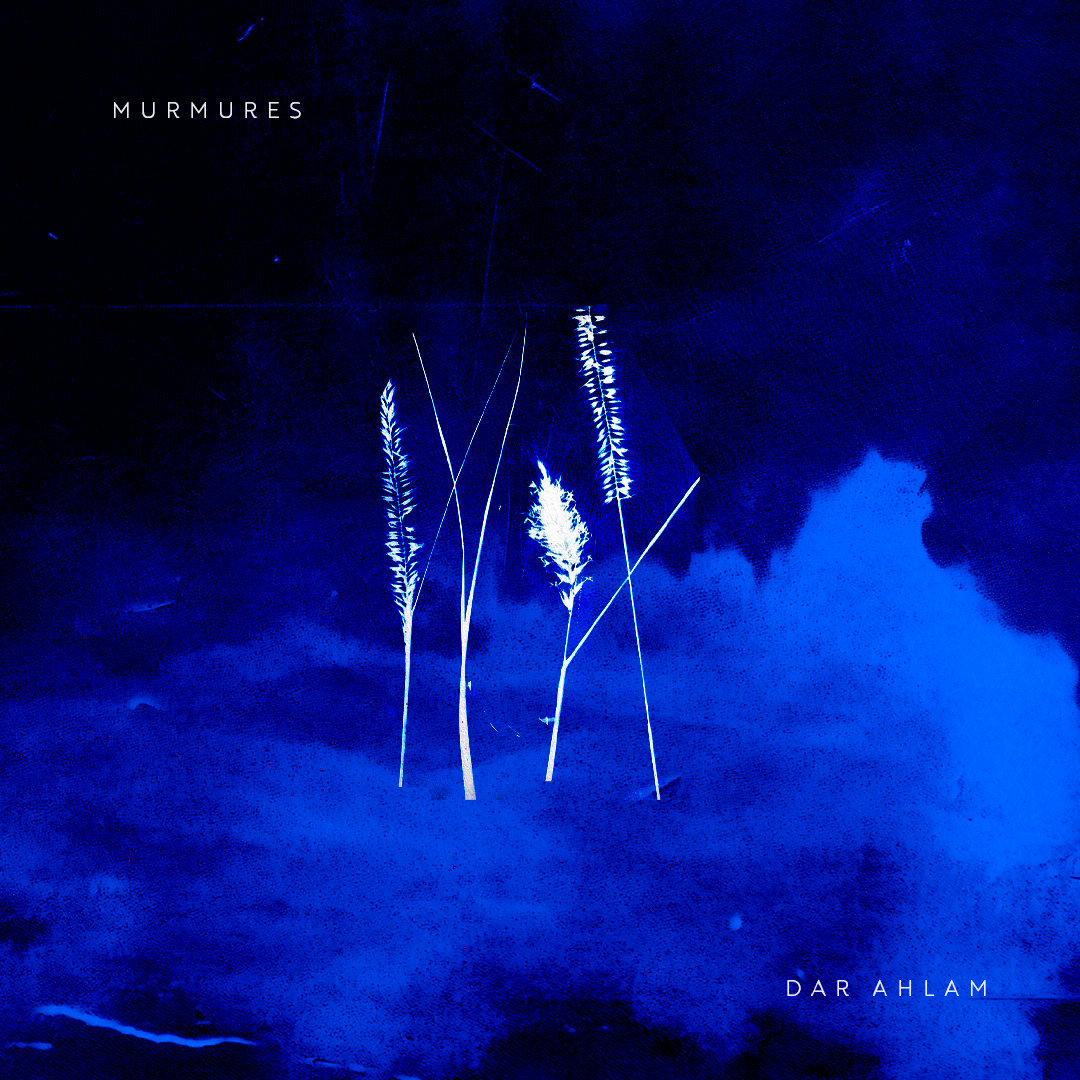
MURMURES
Created by Guillaume Sorge, this soundtrack traces an auditory map to accompany the Dar Ahlam experience. Conceived as a landscape suspended between the shores of the Sahara, the memory of nomadic voices, and the resonance of contemporary music, it blends mystical traditions, intimate improvisations, electronic textures, and ancestral songs.
This sonic journey invites neither exoticism nor nostalgia, but rather a sensitive listening to a world in balance.
This collaboration marks the beginning of a cycle of artistic residencies that will expand the boundaries of this evolving soundscape.
DAR AHLAM
2026
D-10
D-9
D-8
BODY
&
SOUL
Awaken the palate
At Dar Ahlam, you will taste recipes you never imagined you would like, the flavors of which will stay with you for months.
So before you leave, give your body a little pampering. Eat light, not out of obligation, but to rid yourself of excess: whole foods, simple meals, and plenty of water. If you have any cravings, stock up on processed foods and Coca-Cola because you won’t find them here.
Trust your appetite, it will guide you very well.
Freeing the body
Freeing the Body
You don’t need to be a seasoned athlete to fully enjoy Dar Ahlam. Movement is never a challenge; it’s a natural state. We don’t have a gym, but we offer countless experiences to keep you active.
However, it’s always nice to feel fit before going on vacation. To arrive feeling strong, flexible, and ready to dance with the wind, we suggest a routine of three exercises that can be done in 8 minutes, to be performed daily before your departure.
We promise you won’t hold it against us.
Our secret: smile as much as possible to trick your brain and send it good signals (it will then associate the activity with a pleasant moment…).
Tamed jet lag
Tamed jet lag
At Dar Ahlam, time adjusts to you. Nothing is rushed, nothing is fixed. You will never have a breakfast or dinner schedule to adhere to.
However, if you would like to help your body surrender to the slow pace of daily life in a palm grove, here are some recommendations inspired by our experiences:
Dar Ahlam is a place where time expands, where body and mind find their natural rhythm: all you have to do is arrive and let yourself go. (And napping here is almost a spiritual discipline).
TAKE IT
AND
lEAVE IT
Forget lists, instructions, and « just in case. » Here, nothing is lacking for those who arrive with almost empty hands. At Dar Ahlam, one doesn’t travel to add to their collection, but to shed the unnecessary.
However, if you truly desire guidance, here are our suggestions…
take it
Take it
leave it
Leave it
Let yourself come and forget the need to fill. At Dar Ahlam, you learn to make space. The rest will be found here, in a different way.
THE ART
OF RECOUNT
YOUR TRIP
To loosen your wrists (and unleash your inspiration), we offer a quick writing workshop. Three exercises to repeat endlessly to excel in one of the most demanding genres: the postcard.
We can see you smiling from here, but a postcard is surely the best training for learning how to tell a story. Every word counts, and you absolutely must be resourceful to write a story in just 5-6 sentences. Ready? Grab a blank sheet of paper, a pen, and give yourself about twenty minutes of focused concentration.
The Art of recount your trip
Exercise 1
To write a truly compelling story, the most important element is sensory experience.
All those details you’ll share with your family and friends when you return from a trip. For this first exercise, you’ll choose one of the five senses (sight, hearing, smell, taste, or touch) and recount an adventure memory through that lens. Once you’ve finished, you can write the same story from a different perspective (and therefore, a different sense).
The Art of recount your trip
Exercise 2
To add texture to a story, there are several techniques: astonishment, surprise, humor…
But in travel literature, an author’s strength often lies in their ability to find beauty in the ordinary, to make each place a setting. For this second exercise, you will describe the room you are in in a way that expresses its unique character. Focus on all the details that can become magical.
The Art of recount your trip
Exercise 3
For this final exercise, let’s take inspiration from Georges Perec, the master of the art.
With the members of Oulipo, a secret society of writers and mathematicians, he developed a system for writing 243 cards by randomly drawing from 5 entries combined with a triple selection of 15 words. Examples include: « We’re camping near Ajaccio. The weather is beautiful. The food is good. I got a sunburn. Kisses. » or « Greetings from London! Beautiful weather for this time of year. Decent food. Getting a good workout. Lots of love. » Now it’s your turn to describe, in 15 words, a memorable moment from your last trip…
The Art of recount your trip
Behind its apparent simplicity, you now realize that the postcard hides a vast space for poetic expression.
In a fast-paced world, this medium is the antithesis of efficiency and could even be considered a form of activism. You now have all the tools you need to get started!
D-7
D-6
D-5
A SHARP
MIND
At Dar Ahlam, we believe that setting off on a journey is a way to broaden your perspective on the world.
Why travel? This is a question we’d like you to consider. After all, we never choose a place or a destination randomly.
To help you get into the mindset of great intellectual travelers, here is a prelude of readings, quotes, and inner journeys. Philosophers, too, all set out on a quest. Their itinerary was not only made up of landscapes, but also of questions.
So, why do we travel?
Montaigne
Montaigne, for the sake of curiosity.
Montaigne was one of the first philosophers to praise travel for its own sake, without considering it merely a moment between two encounters, two stages of a journey.
“I, who have most often traveled for pleasure, am not so badly at navigating. If the weather is bad to the right, I turn left; if I find myself ill-suited to riding, I stop. By doing so, I truly find nothing as agreeable and comfortable as my own home. It is true that I always find luxury superfluous and that I notice discomfort even in refinement and abundance. Have I left something to see behind me? I go back; it is always my way. I do not trace any fixed line, neither straight nor curved. Do I not find at the place where I go what I was told to find? As it often happens that the judgments of others do not agree with mine, and as I have most often found them wrong, I do not regret my trouble: I have learned that what was said is not there.” (Essays, Book 3)
Rousseau
Rousseau, for introspection.
The figure of the walker is inseparable from Rousseau’s own image. This journey allows one to confront oneself, without sensitivity being clouded by trivial conversations, social distinctions, and the demands of appearances. Solitary wandering within an untouched space evokes a heightened awareness of the senses, which is its true value.
“It is useful for man to know all the places where one can live, in order to then choose those where one can live most comfortably. If everyone were self-sufficient, it would only matter to them to know the extent of the country that can feed them. The savage, who needs no one and covets nothing in the world, knows and seeks to know no other countries than his own. But for us, for whom civil life is necessary, it is in each of our interests to frequent the countries where we find the most to devour. That is why everything flows to Rome, to Paris, to London. It is always in capitals that human blood is sold most cheaply. Thus, we only know the great nations, and all great nations are alike.” (Emile, or On Education)
“I felt that a new paradise awaited me at the gate; I thought only of going to find it. I am, in recounting my travels, as I was in making them; I could never arrive.” (The Confessions)
Nietzsche
Nietzsche, to return to the origin.
Nietzsche’s teaching is entirely contained in his initiatory ladder for travelers: at each stage on life’s journey, we are always at home.
“Among travelers, we will distinguish five degrees: those of the first degree, the lowest, are the people who travel and are seen in the process – they are properly led on a journey, as if blind; the next ones actually see the world themselves; the third ones derive some lived experience from their vision; the fourth ones assimilate the experience in a vivid way and carry it with them; finally, there are some people of superior energy who must necessarily, after having lived and assimilated it, relive in the end all that they have seen by projecting it outwards, in actions and works, as soon as they have returned home.” (Mixed Opinions and Sentences).
Wittgenstein
Wittgenstein, to think.
Throughout his life, Wittgenstein searched for a « house of thought. » He planned to build a cabin in a desolate spot in Ireland to test himself. Beneath the guise of a « scientific » thinker, he was a philosopher in the Greek sense of the word, for whom the fundamental question remained that of existence. Thinking was, therefore, in his view, an entirely internal journey—the surrounding landscapes serving only to provide him with the peaceful gravity which, he said, alone was conducive to his quest.
« The solution to the problem you see in life is a way of living that makes the problem disappear. » (Mixed remarks).
A sharp mind
We invite you to make a stop before departure: at your local bookstore. Choose a travel companion there; it’s the only baggage we recommend you add to your luggage.
Marco Polo, The Book of Marvels
Homer, The Iliad and The Odyssey
Nicolas Bouvier, The Way of the World
Sylvain Tesson, Surrendering to Life
Alexandre Poussin, Africa Trek
Alexandra David-Néel, Voyages and Adventures of the Mind
Joseph Kessel, The Lion
Blaise Cendrars, To Roam
Ryszard Kapuściński, Ebony
Antoine de Saint-Exupéry, Wind, Sand and Stars
Ella Maillart, The Cruel Way
Anne-France Dautheville, And I Followed the Wind
Axel Kahn, Thoughts Along the Way
Olivier Weber, Borders
Lucie Azema, The Use of Tea: A Sensitive History from the Ends of the Earth
Bernard Moitessier, The Long Road
Alexis Jenni, Mr. Nansen’s Passport
Jack Kerouac, On the Road
Pierre Loti, Aziyadé
Paul Théroux, Safari black
Guillaume Jan, Alias Lejean
Quiz
Does Dar Ahlam have a check-in schedule?
YES NO
Is there a reception at Dar Ahlam?
YES NO
Do you need a key to open your room?
YES NO
Is there a television screen in your room?
YES NO
Is there a mini-bar in your room?
YES NO
Will you be eating your meals at the hotel’s restaurant?
YES NO
Will you have to put up with other customers during your meals?
YES NO
Is there a pre-established program for your stay?
YES NO
Quiz
Have fun!
Dos
&
Don’ts
You will be welcomed into a traditional palm grove by a local community that accepts you and wishes to share its culture with you.
To better respect this culture, here are some helpful tips we ask you to follow:
D-4
D-3
D-2
A FEW
WORDS
Here are some words and expressions that will be useful to you there:
THE NAMES
OF
THE TEAM
You’ll be arriving in a few days, and all the teams are ready to give you the warmest welcome.
Among the things everyone will try their best to do to make you happy is remembering your name.
So, for once, let’s switch roles!
Here are a few names you can have fun memorizing to surprise them when you arrive!
Baba
Baba
Ahmed
Ahmed
Lamili
Lamili
Soufiane
Soufiane
Mehdi
Mehdi
Lamia
Lamia
Just a word or two
Just before you leave, take some time to reflect on why you planned this trip and what you hope to achieve.
Write these thoughts down in a short letter to yourself and leave it on your bedside table.
You’ll most likely have forgotten about it when you return and will be surprised to reread it and see if your expectations have been met!
JUST
A WORD
OR TWO
D-1
SEE YOU
IN DAR
AHLAM
DAR AHLAM
2026
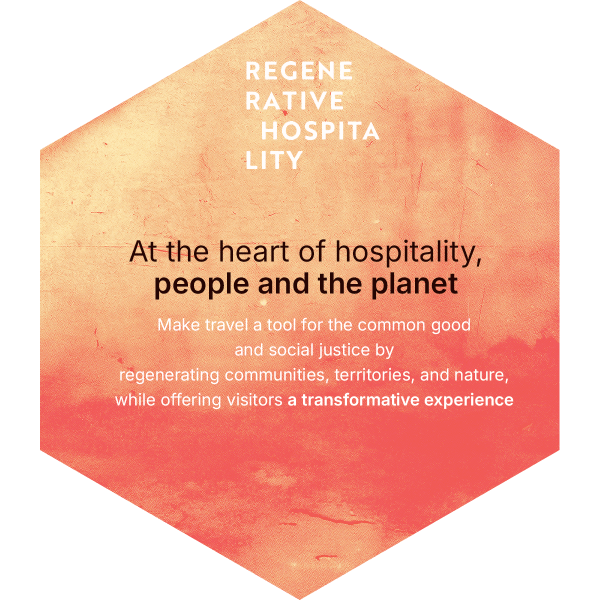
Hospitality is a promise of welcome, freedom, and wonder.
Welcoming never means locking someone in. It means opening up
Welcoming means offering a smile. It means extending a hand. It means daring to be open. It means creating a space where anything is possible
Hospitality is a silent conversation between a place and those who stop there. It is a moment suspended in time, a moment of grace when the land whispers in the traveler’s ear
To travel is to accept leaving behind one’s certainties
Amazement is a subtle art. It is not about dazzling, but touching